

Dutch Tax Returns for Expats: What You Need to Know
Jack Otis Evans • Mon, Jan 26, 2026
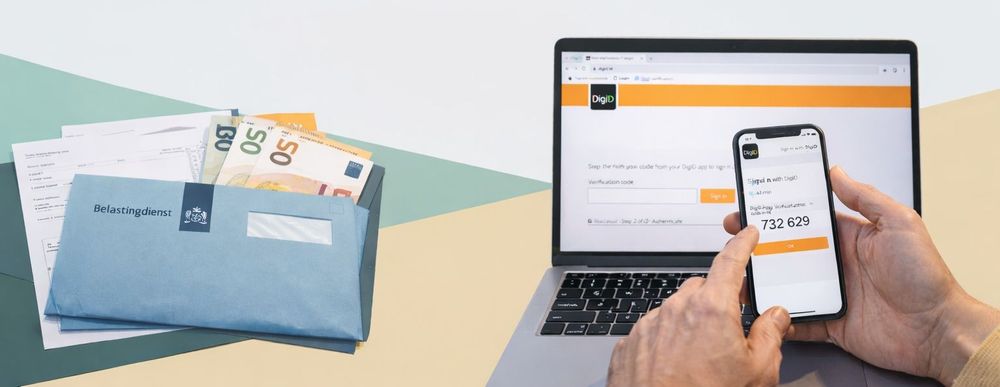
A practical guide for expats navigating Dutch tax returns, covering who needs to file, key deadlines, common deductions, and how to handle the 30% ruling—plus tips on whether to DIY or hire help.
The Blue Envelope Has Arrived. Don't Panic!
You've been living your best Amsterdam life – cycling in the rain, perfecting your "gezellig" pronunciation, maybe even attempting a bitterbal without burning the roof of your mouth. Then one day, a mysterious blue envelope from the Belastingdienst lands on your doormat. Welcome to Dutch Tax Season.
Before you consider fleeing to Belgium, take a breath. The Dutch tax system is actually fairly logical once you crack the code. This guide will walk you through everything you need to know – no accounting degree required.
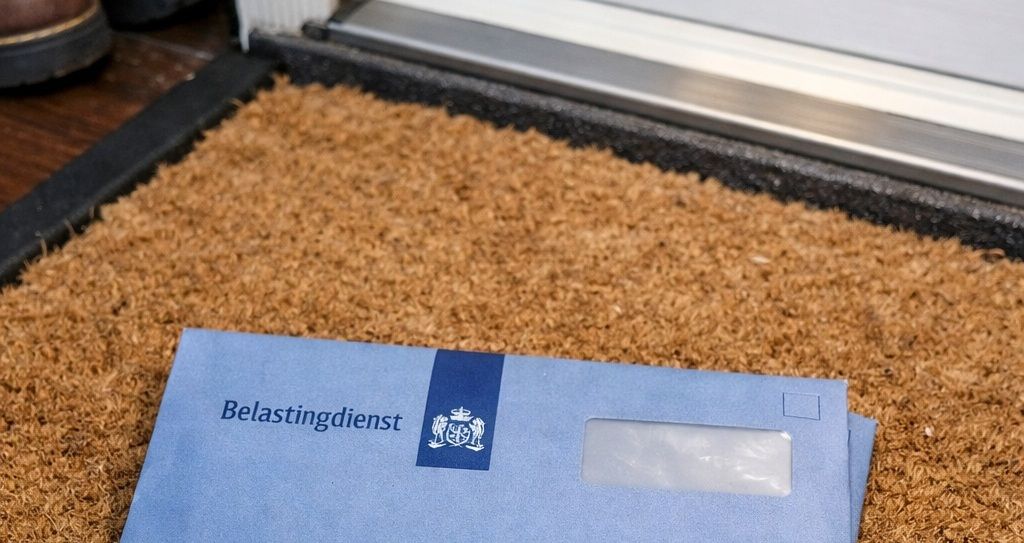
The infamous blue envelope – every expat's introduction to Dutch tax season
Do You Actually Need to File?
Not everyone does. Here's the quick test:
You probably need to file if:
- You received a blue letter invitation from the Belastingdienst
- You arrived in or left the Netherlands during the tax year
- You have income beyond your regular salary
- You're owed a refund
- You own property in the Netherlands
You might not need to file if:
- Your only income is a standard Dutch salary with taxes already withheld
- You haven't received an invitation letter
- You'd owe or receive less than €57
When in doubt? File anyway. The Belastingdienst would rather hear from you than chase you down.
The Key Dates (Mark Your Calendar)
The Dutch tax year runs January to December, and you file for the previous year. For 2025 taxes, filed in 2026:
| Date | What Happens |
|---|---|
| 1 March 2026 | Filing window opens |
| 1 April 2026 | File by this date to get your assessment by 1 July |
| 1 May 2026 | Standard deadline – miss this and things get expensive |
| 1 September 2026 | Later deadline (if you applied before 1 May) |
Pro tip: File before 1 April if you want your assessment sorted before summer. Nothing ruins a holiday like wondering if you owe the Dutch government money.
DigiD: Your New Best Friend (Eventually)
To file online, you'll need a DigiD – the Netherlands' digital identity system. Think of it as your government login for everything from taxes to healthcare.
Getting one:
- You need a BSN (citizen service number) first
- Go to digid.nl and click "Apply"
- Fill in your details
- Wait 3-5 working days for an activation letter
- Activate within 20 days or start again
The SMS verification dance: Every login requires a text code. Make sure your phone number is up to date, or you'll be locked out at the worst possible moment – like 11pm on 30 April.
Already have a DigiD from when you registered? Great. Just remember your password. Lost it? There's a recovery process, but budget extra time.
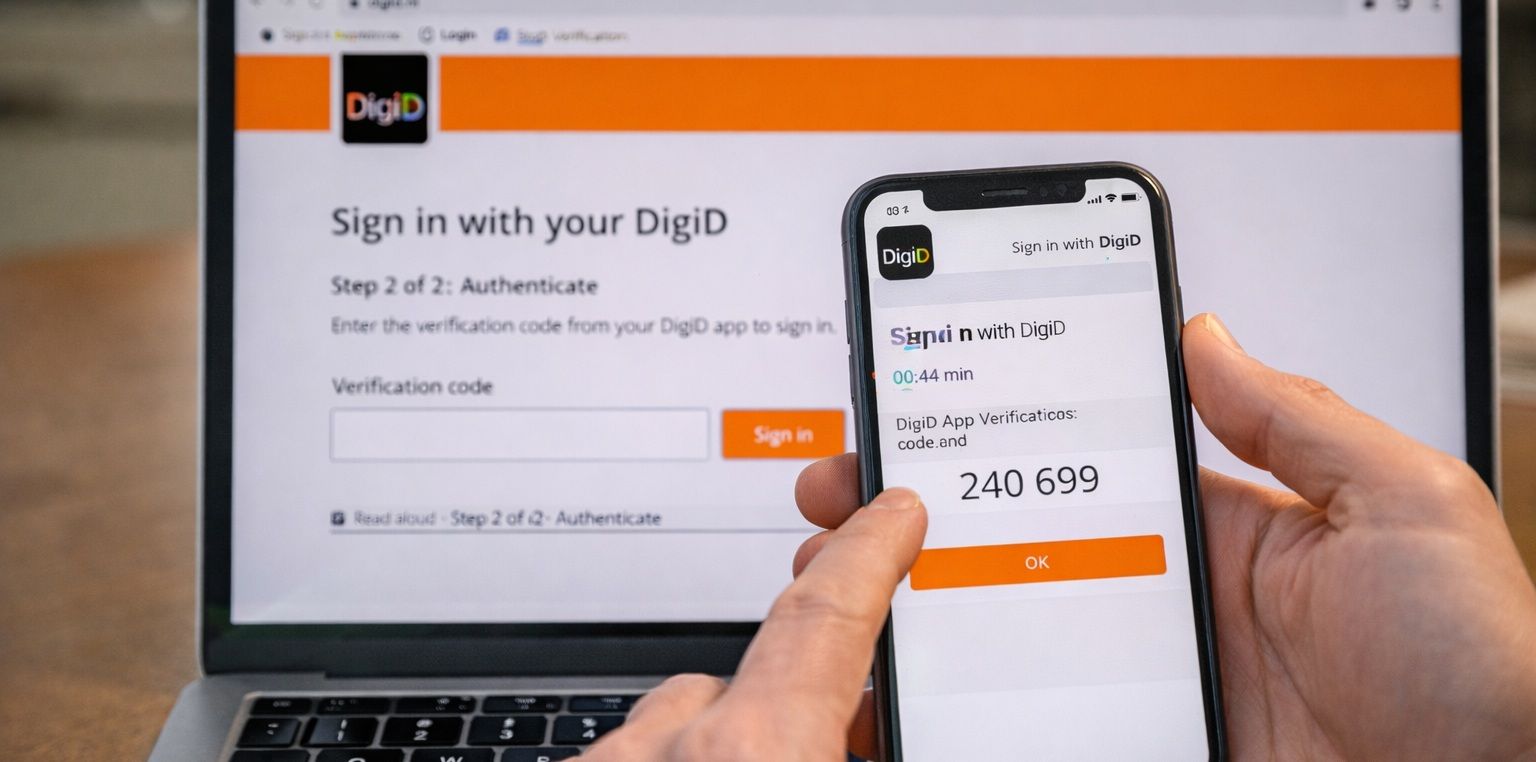
Screenshot of DigiD login page, or someone using their phone for verification
The Box System: Dutch Taxes in Three Flavours
The Netherlands doesn't just tax your income – it sorts it into three "boxes," each with different rules. Think of it like sorting your laundry, except getting it wrong costs money.
Box 1: Income from Work and Home
This is where most of your tax action happens. It includes:
- Salary and wages
- Freelance income
- Business profits
- Pensions and benefits
- A fictional rental value of your home (eigenwoningforfait) if you own property
2025 Tax Rates:
| Income Bracket | Rate |
|---|---|
| Up to €38,441 | 35.82% |
| €38,441 – €76,817 | 37.48% |
| Above €76,817 | 49.50% |
Yes, that top rate stings. But remember, the Netherlands provides excellent infrastructure, healthcare, and cycle paths smooth enough to eat off. You're getting something for your money.
Box 2: Substantial Business Interests
Only relevant if you own 5% or more of a company. If that's you, you already have an accountant.
Box 3: Savings and Investments
Here's where it gets properly Dutch. The Belastingdienst doesn't tax your actual investment returns – they assume you earned a "deemed return" on your assets and tax that instead.
2025 threshold: €59,357 tax-free per person (€118,714 for couples)
If your savings and investments exceed this threshold, the taxman assumes you made money on them and charges 36% on that fictional return.
What counts as Box 3 assets:
- Savings accounts (including foreign ones – more on this later)
- Investment portfolios
- Crypto holdings
- Second homes or rental properties
- That vintage car collection
Which Form Do You Need?
The Dutch love forms almost as much as they love efficiency. Here's your cheat sheet:
| Form | When to Use It |
|---|---|
| P-form | Standard return – you lived in NL all year |
| M-form | You moved to or from NL during the tax year (Migration form) |
| C-form | You live abroad but have Dutch income |
First year in the Netherlands? You'll likely need the M-form. It's more complex than the standard return, so budget extra time – or extra euros for an accountant.
What Can You Actually Deduct?
Here's where you can claw some money back. Common deductions include:
- Mortgage interest – If you own your home, mortgage interest is often deductible against Box 1 income. This is a significant benefit, though the rules are strict about which loans qualify.
- Healthcare costs – Specific medical expenses above a threshold may be deductible. This doesn't include your basic health insurance premiums, but can include dental work, physiotherapy, and other out-of-pocket costs.
- Charitable donations – Gifts to recognised Dutch charities (ANBIs) are deductible, subject to minimum and maximum limits.
- Study costs – Work-related education and training may be deductible if your employer didn't reimburse them.
- Pension contributions – Certain pension products qualify for tax relief.
- Alimony payments – If you're paying alimony to an ex-partner, it may be deductible.
The Tax Credits: Free Money (Sort Of)
The Netherlands offers several automatic tax credits that reduce your bill:
General Tax Credit
(Algemene Heffingskorting)
Everyone gets this, though it decreases as your income rises. Maximum around €3,068 in 2025.
Labour Tax Credit
(Arbeidskorting)
If you work, you get an extra credit. Maximum around €5,599 in 2025, phasing out at higher incomes.
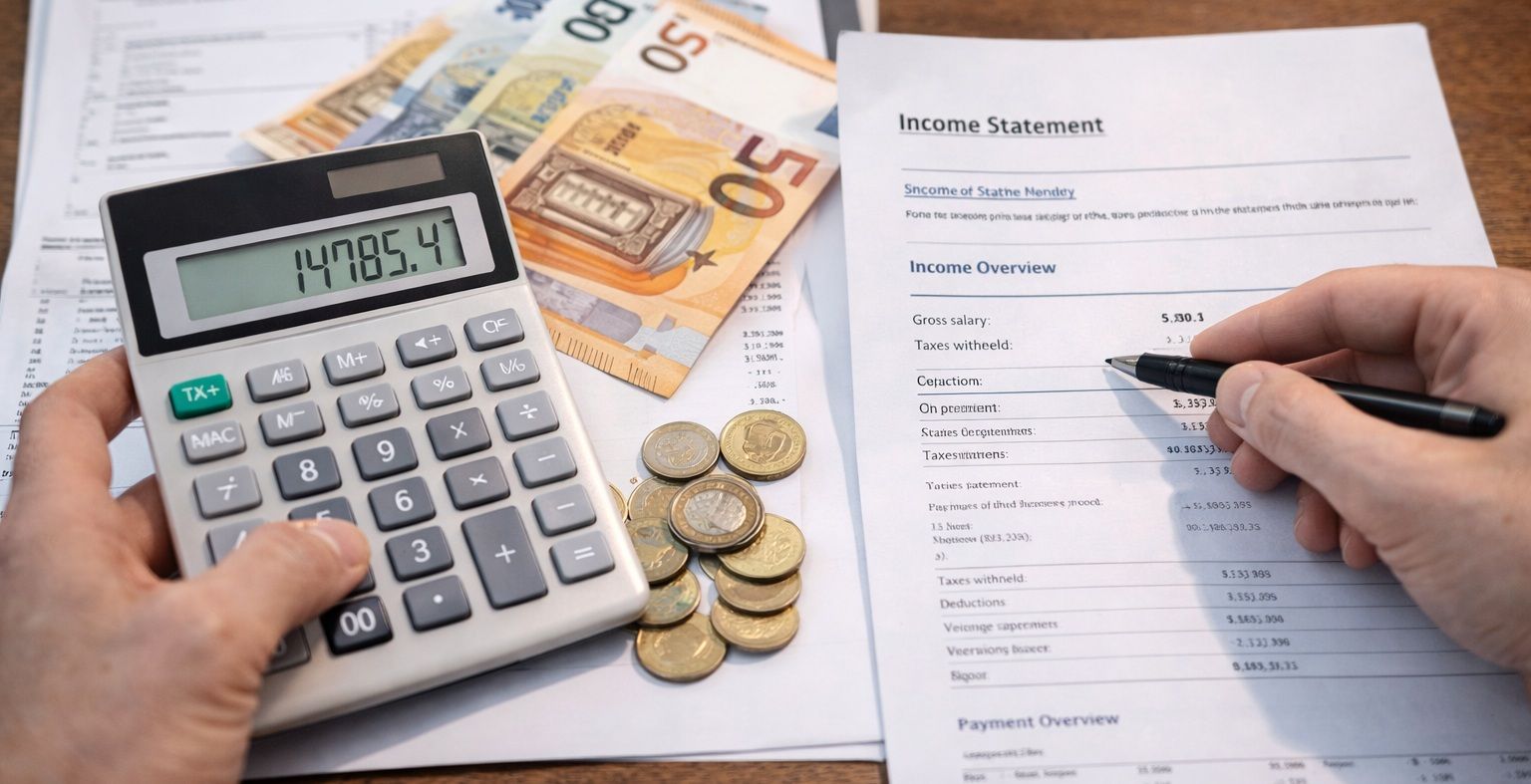
These credits are usually applied automatically through payroll, but they're finalised when you file your return.
Screenshot of DigiD login page, or someone using their phone for verification
Common Expat Mistakes (Learn From Others' Pain)
📖 A Cautionary Tale
Meet "Thomas" (not his real name). Software developer. Moved from the UK in 2023. Earning well, paying Dutch tax through payroll, assumed everything was sorted. Never filed a return because he "didn't get a letter."
What Thomas didn't realise: his UK savings account, his ISA, and his grandmother's inheritance sitting in a Barclays account all counted as Box 3 assets. Two years later, the Belastingdienst sent a rather less friendly letter – a retroactive assessment for undeclared worldwide assets, plus interest, plus a "vergrijpboete" (negligence fine) because they decided he should have known better.
Total damage: €4,200. Thomas now has an accountant.
The moral? The Dutch tax system assumes you know the rules. "I didn't know" is not a defence.
Forgetting worldwide income
If you're a Dutch resident, you're taxed on worldwide income. That UK rental property? Declare it. Those US investments? Declare them. The freelance work you did for your mate back home? You guessed it.
Ignoring foreign bank accounts
All foreign accounts must be declared in Box 3 if they push you over the threshold. The Netherlands exchanges information with most countries automatically – they'll find out.
Not filing an M-form when you should
Arrived in March? Left in October? You need the M-form, not the regular return. Using the wrong form can delay your assessment or trigger penalties.
Missing the deadline without requesting more time
If you can't file by 1 May, request more time before that date. Don't just... not file. Penalties start at €469 and can reach €6,709 for repeat offenders.
Assuming your employer handled everything
Your employer withholds tax, but that doesn't mean you don't need to file. If you have any other income, assets, or deductions, you may still need to submit a return.
DIY or Accountant?
File yourself if:
- Your situation is straightforward (salary only, no property, no investments above the threshold)
- You've filed before and know the system
- You're comfortable navigating Dutch government websites
Consider an accountant if:
- It's your first year in NL (M-form territory)
- You own property (Dutch or foreign)
- You're self-employed or have business income
- You have significant investments or complex Box 3 situations
- You value your time more than the €150-400 fee
Expat-friendly accountants we've heard good things about:
Van Deventer
Extremely professional and deeply knowledgeable about Dutch tax law. Based outside Amsterdam, and their English is functional rather than fluent – but their expertise more than compensates.
Poundwise
Very expat-friendly, resourceful, and helpful. Excellent English. Can be on the pricier side, but you're paying for hand-holding through the process.
If You Can't Pay
Received an assessment and can't afford it? Don't ignore it.
Contact the Belastingdienst immediately. They offer payment plans for those who genuinely can't pay in full. Interest will accrue, but it's better than penalties and debt collection.
Useful Links
- Belastingdienst (Tax Office) – the official source, available in English
- DigiD – set up your digital ID
- Mijn Belastingdienst – the portal where you file your return
The Bottom Line
Dutch taxes aren't fun, but they're manageable. Start early, gather your documents, and don't be afraid to ask for help if you need it.
And next time that blue envelope arrives? You'll know exactly what to do.
City Retreat offers fully furnished apartments across Amsterdam for expats and professionals, with utilities and Wi-Fi included in the monthly rent. If you're still settling in, we're happy to help with one part of the puzzle.